June 2, 2026
Choosing the right fencing for your property is crucial for achieving various goals including privacy, security, and aesthetics. Working with an experienced fence company can help guide you through the essential considerations to ensure you select the best materials that align with your property objectives. From exploring materials to knowing the installation process, there are many details to consider for your home.
Assessing Privacy and Security Needs
When planning to install a new barrier, privacy is often a top priority for local homeowners. Determining how much seclusion you desire from neighbors is an important first step. Your property's location and neighborhood safety will also dictate the level of security required. A reliable fence company can install robust features, such as taller panels or heavy-duty gates, that form a strong barrier to deter potential intruders.
Aesthetic Preferences and Maintenance
Your property's overall look is greatly influenced by the fencing style you choose. To enhance curb appeal, select materials and designs that complement your property's existing design elements. Different fence materials require varying levels of maintenance over time. Wood fences often require regular weatherproofing treatments, while materials like vinyl and metal demand much less upkeep from the homeowner.
Addressing Budget Constraints
Setting a realistic budget for your upcoming project is crucial before signing any contracts. Analyzing cost-effective solutions without sacrificing quality or your structural goals can be challenging. While initial costs vary significantly between materials and styles, consider the long-term investment when deciding. A professional fence company can provide an accurate quote and help you factor in both upfront installation costs and future maintenance needs.
Exploring Different Fencing Materials
The material you choose impacts both the lifespan and the overall appearance of your boundary lines. Each option has unique benefits depending on your local climate, budget, and design tastes. Understanding these material characteristics will ensure you make an investment that lasts for decades.
Wood Fencing Options
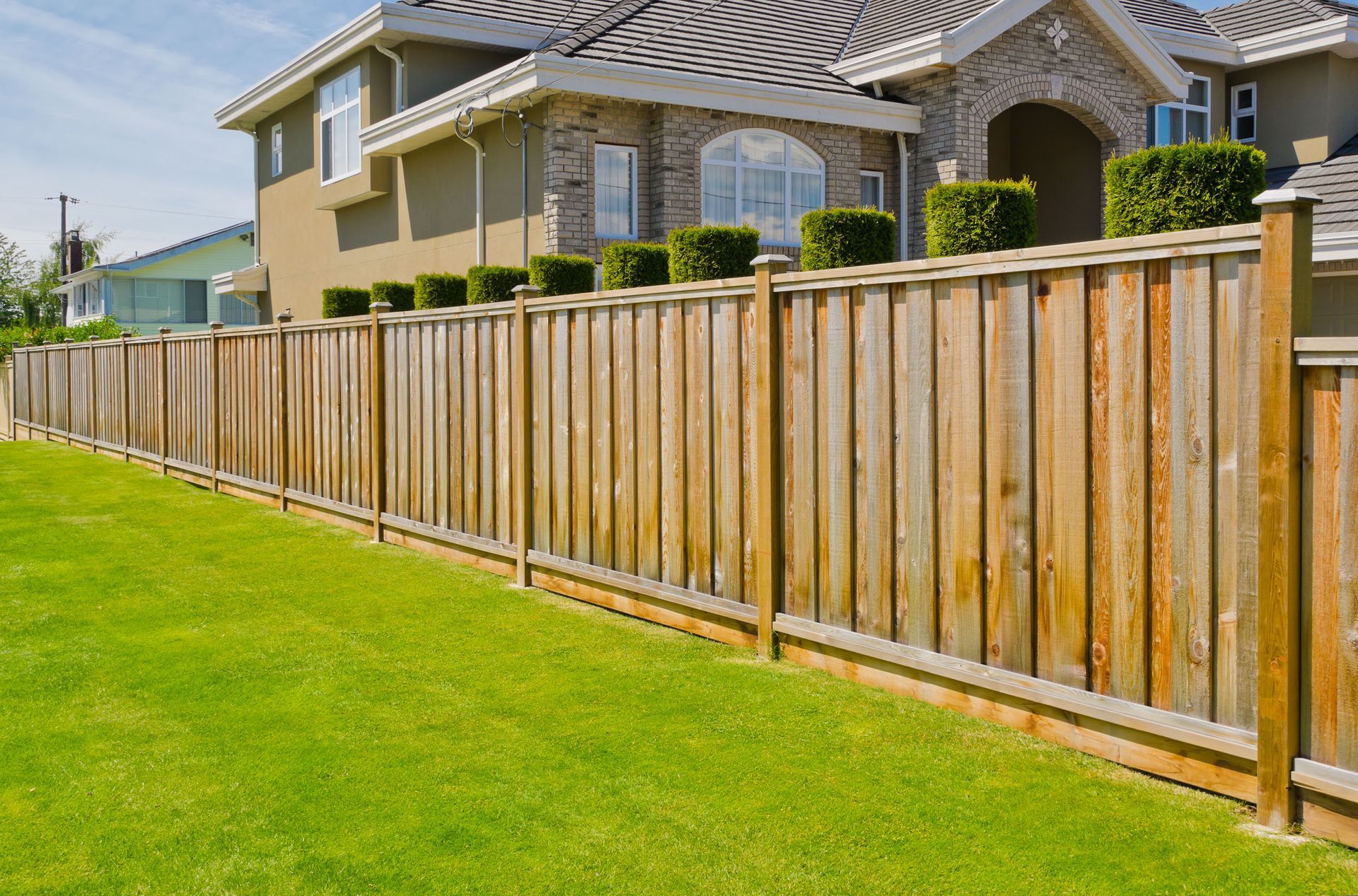
Wood remains one of the most popular materials due to its versatility and natural appeal. Cedar and redwood are favored for their natural resistance to rot and insects, making them durable choices. Pressure-treated lumber offers an economical alternative, with treatments that enhance resistance to environmental elements. However, wood structures still require regular maintenance such as staining to prevent severe weather damage.
Metal and Wire Fencing Varieties
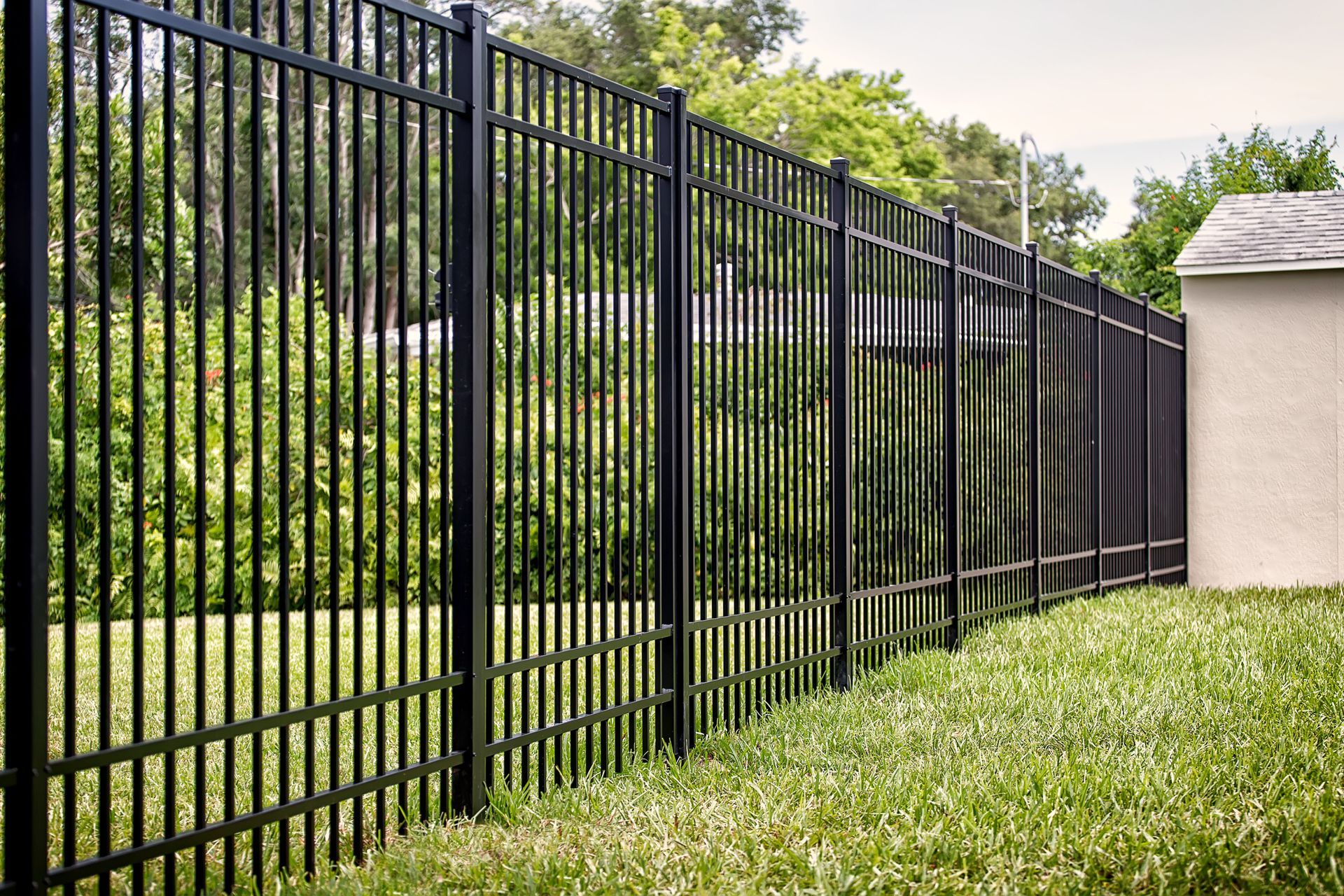
Metal and wire options include aluminum, steel, iron, and chain-link, each with distinct qualities. Aluminum is popular for its lightweight structure and rust-resistant properties, which is ideal for wet regions. Steel and iron offer robust security solutions but demand regular upkeep to prevent corrosion. Chain-link is highly cost-effective and functional, though it might not provide as much privacy as solid panels.
Vinyl and Composite Fencing Insights
Vinyl fencing is renowned for its low maintenance requirements and long-lasting attributes. Unlike wood, vinyl does not require painting or staining, and it completely resists pests and extreme weather conditions. Composite fencing offers the aesthetic appeal of wood without the associated maintenance demands. Made from a mix of wood fibers and plastic, these heavy-duty systems are specifically designed for maximum strength and durability.
Matching Fencing Styles to Architecture
Aligning your boundary lines with the existing design of your home creates a cohesive and attractive property. Whether you live in a modern estate or a classic cottage, the right structure ties the landscape together seamlessly.
Traditional and Classic Styles
Traditional architectural styles often call for complementary solutions that enhance their timeless appeal. Picket designs remain a cherished choice, lending immense charm to Victorian or Colonial homes. Ornamental iron and classic wooden designs can highlight the beauty of more established properties. Ensuring your choices match the period and design of your property creates a harmonious outdoor aesthetic.
Modern, Rustic, and Urban Solutions
Modern properties benefit from sleek, minimalist styles that emphasize clean lines and industrial metals. Horizontal slat systems and designs utilizing aluminum offer a contemporary flair to the landscape. For rustic or cottage-inspired properties, split rail systems using natural timbers enhance the rugged, unrefined look. Urban properties often require durable metal panels or chain-link options that marry function with bold aesthetics.
Regulations and Legal Considerations
Before any construction begins, navigating the legal landscape is essential to avoid costly mistakes. Skipping these steps can lead to severe fines or disputes with local entities.
Zoning Laws and Building Permits
Compliance with local zoning laws is imperative when installing a new perimeter structure. Each jurisdiction has different codes dictating height, placement, and permissible construction materials. Before commencing work, ascertain whether a formal building permit is required in your town. Acquiring permits ensures your project complies with local building codes, safety standards, and regional setback rules.
Homeowners Associations and Property Boundaries
If your property is part of a homeowners' association, they will heavily impact your style choices. Associations often enforce strict rules regarding aesthetic uniformity, which extends to permissible colors and heights. Prior to installation, communicating with your neighbors is a sign of goodwill that can prevent future conflicts. Boundary lines often become contentious, making it essential to establish clear agreements or hire a surveyor early.
Installation and Terrain Challenges
The physical installation of a perimeter system requires precision and careful planning. Homeowners must choose between tackling the project themselves or bringing in expert help.
Professional vs. DIY Installation
Hiring a professional fence company can streamline the entire installation process. Experts bring specialized tools and deep industry knowledge, reducing the likelihood of critical alignment errors. Opting for a DIY installation allows for greater personal control while potentially saving on initial labor costs. However, DIY approaches may fall short in terms of structural longevity and adherence to precise technical specifications.
Handling Terrain and Seasonal Timing
Terrain and soil conditions can significantly impact the ease of the installation process. Sloped surfaces or rocky soil present unique structural challenges that require specific stair-stepping solutions. Timing your installation also involves considering regional weather patterns and seasonal soil shifts. While summer offers dry ground conditions, it is also a very busy period for any local fence company, which can affect project scheduling.
Maintenance and Fence Longevity
To maximize the return on your investment, proactive care is required. Different materials demand distinct preservation strategies to survive the changing seasons.
Routine Cleaning and Swift Repairs
Maintaining your structure's prime condition involves regular cleaning and periodic visual inspections. Implementing a routine schedule allows early detection of potential issues like mold, wood rot, or metal rust. Addressing necessary repairs swiftly is key to preventing minor issues from escalating into major structural failures. Managing repairs efficiently maintains your security, aesthetic quality, and property value over time.
Preventative Measures and Warranties
Implementing preventative measures, like applying protective sealants or installing weather-proof post caps, can greatly extend durability. Understanding and utilizing manufacturer warranties provides significant financial benefits for long-term care. Many top brands offer extensive warranties that cover manufacturing defects, providing peace of mind post-installation. Knowing where to access professional support enhances your ability to manage sudden issues seamlessly.
Selecting the perfect perimeter system to match your property's goals requires careful consideration of materials, budgets, and local regulations. By understanding your specific needs and planning for routine maintenance, you can make a well-informed decision that enhances your home. According to Coherent Market Insights, the residential segment of fencing holds the largest market share at 35.1%. This statistic highlights just how much emphasis homeowners place on securing and beautifying their personal spaces. When you are ready to begin your project, partnering with a licensed fence company ensures a safe, legal, and durable installation. For more information, contact KMP Quality Fence today.